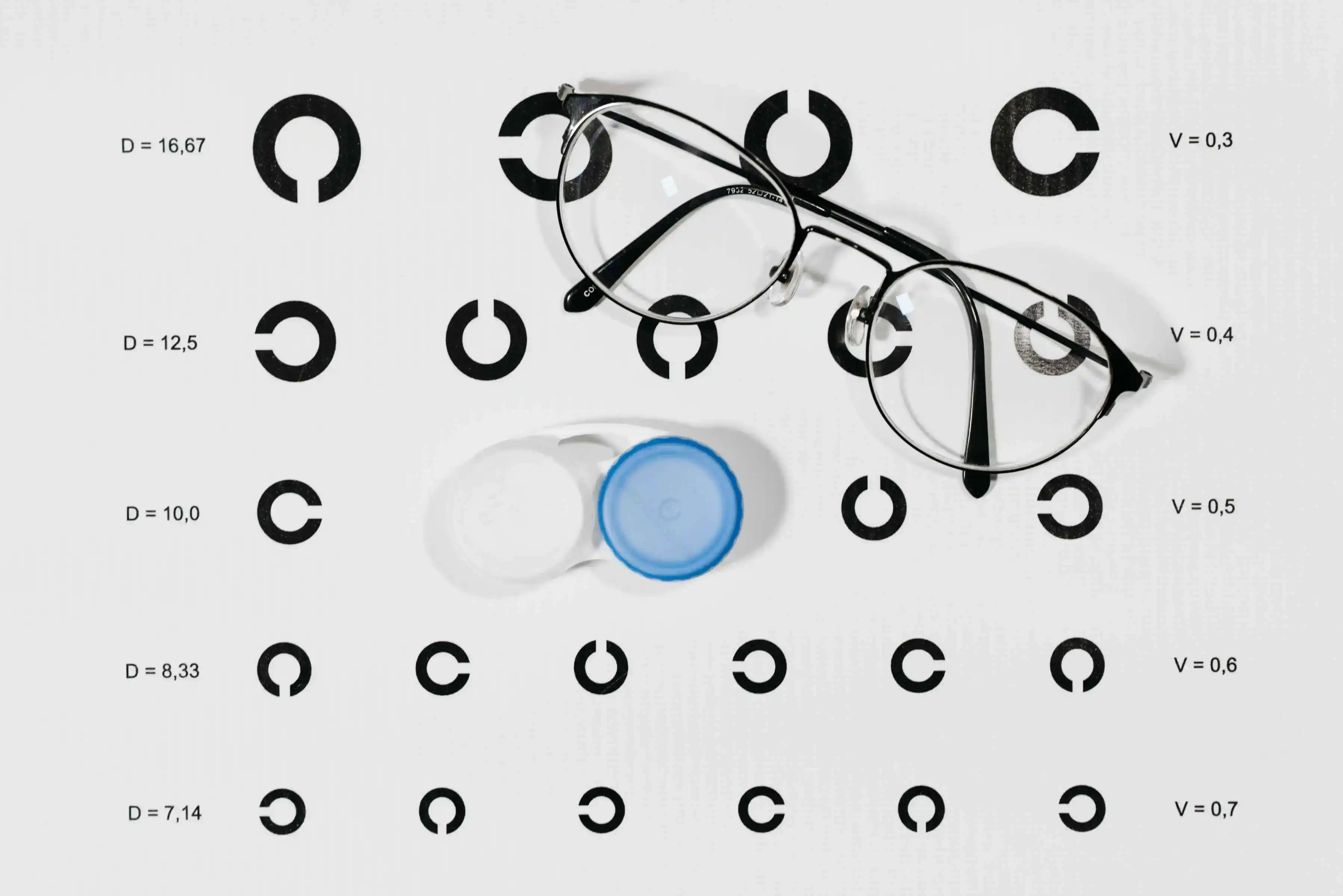
The Srinagar Eyecare Blueprint: Optimizing Spectacles & Contact Lenses for the Valley's Environment
Blogs
When selecting prescription eyewear or contact lenses in Jammu & Kashmir, generic advice falls short. Srinagar’s unique environmental factors—characterized by elevated altitude, intense seasonal UV radiation, airborne dust, and severe temperature fluctuations—demand a specialized clinical approach.
At Keen Sight Optical Chamber, drawing from decades of clinical dispensing near the Auqaf Building in Soura, we have built the definitive framework for matching your eyewear directly to our regional microclimate.
Part 1: Precision Spectacle Lenses for High Altitudes
1. High-Index Materials: Maximizing Structural Optics
While standard index lenses (1.50) are sufficient for basic vision correction, we highly recommend upgrading to high-index materials (such as 1.61, 1.67, or 1.74) for daily life in the valley.
- Tighter Optical Tolerances: High-index lenses offer sharper peripheral clarity, reducing spatial distortion when viewing sweeping outdoor landscapes.
- Intrinsic Abrasion Resistance: These materials are naturally denser and harder than basic plastic. This density provides superior protection against the micro-abrasions and deep surface scratches caused by blowing dust and sediment common during the valley's dry spells.
2. 420nm Bluecut Protection: Filtering Atmospheric Scatter
Many commercial "blue-filter" lenses cut off protection at 380nm or 400nm. However, due to Srinagar’s high altitude, solar radiation undergoes less atmospheric filtration, increasing your exposure to high-energy visible (HEV) blue-violet light.
- The 420nm Benchmark: It is crucial to opt for Bluecut lenses with explicit 420nm protection. This specific filter blocks the scattering light bands that induce chronic digital eye strain, phantom headaches, and contrast loss when moving between indoor mobile screens and bright outdoor glare.
- Photochromic Versatility: For patients frequently moving between indoor clinics or offices and intense outdoor sunlight, premium light-adaptive lenses provide an ideal dual-defense system, reacting instantly to UV levels to shield the eyes without requiring a switch to prescription sunglasses.
3. The Cold-Weather Anti-Fog Dilemma
One of the most persistent issues in Srinagar is lens fogging—caused by rapid temperature shifts when stepping from warm, heated interiors into freezing morning air.
While permanent "anti-fog coatings" are heavily marketed, they often break down, smudge easily, or require expensive activating solutions.
Clinical Recommendation:
Save your money on permanent anti-fog coatings. Instead, invest in a premium high-index lens and pair it with a specialized Anti-Fog Selvet (Microfiber) Kit. Routinely wiping your spectacles with a high-quality anti-fog cloth applies a temporary, completely clear hydrophobic layer that prevents condensation without altering the core lens treatments.
Part 2: Contact Lens Materials for a Dusty Environment
Wearing contact lenses in our valley requires strict adherence to material science. Because airborne dust, seasonal Chinar tree pollen, and dry winter winds can easily irritate the corneal surface, choosing the right lens configuration is paramount for eye safety.
1. The Priority of Dk/t (Oxygen Transmissibility)
To maintain long-term corneal health, we prioritize premium, global heritage brands like CooperVision and Bausch & Lomb. These manufacturers utilize modern Silicone Hydrogel materials that boast an exceptionally high oxygen transmissibility (Dk/t) rating compared to old-school traditional hydrogels. This allows your cornea to breathe naturally, preventing hypoxic redness and dryness even during long wearing hours.
Part 3: Balancing Vision Comfort and Budget Responsibly
Every patient has unique economic and lifestyle needs. We structure our clinical recommendations based on two primary modalities to balance cost and surface health safety:
- The Premium Choice (Maximum Health): If budget permits, Daily Wear Disposables (such as Bausch & Lomb Biotrue ONEday or CooperVision MyDay) are the gold standard. Because they are "use-and-throw," you open a fresh, sterile lens every morning. This completely eliminates the risk of seasonal pollen or fine dust building up on the lens surface over weeks of wear.
- The Affordable Choice (Value-Driven Performance): For patients looking for a highly cost-effective option without risking corneal integrity, modern Monthly Disposable Silicone Hydrogels (such as Bausch & Lomb ULTRA with MoistureSeal technology or the CooperVision Biofinity family) offer incredible hydration retention and deposit resistance at a much lower monthly cost.
Absolute Clinical Safety Rules
Regardless of the brand you select, two rules are non-negotiable at our Soura practice:
- Professional Fitting is Mandatory: You must be evaluated by an eye care professional to ensure your eye shape, curvature, and tear film stability are structurally fit for contact lens wear. Buying lenses online without a baseline physical fitting can lead to corneal ulcers.
- Specialized Lubrication Only: Never use standard over-the-counter eye drops while wearing contacts. You must only use specialized, preservative-free lubricating drops prescribed specifically for contact lens wearers to keep the lens hydrated without causing material degradation.
Optimize Your Visual Setup
Experience tailored medical dispensing mapped precisely to your prescription and lifestyle.
Book Prescription Consultation