Ocular Sleep Compression: Glaucoma Risk & Saturday Night Retinopathy
Blogs
When evaluating risk factors for vision loss, patients routinely discuss genetics, digital screen time, and systemic conditions like high blood pressure or diabetes. However, at Keen Sight Optical Chamber in Soura, our clinical specialists frequently encounter a major, overlooked environmental factor: mechanical orbital compression caused by nightly sleep posture.
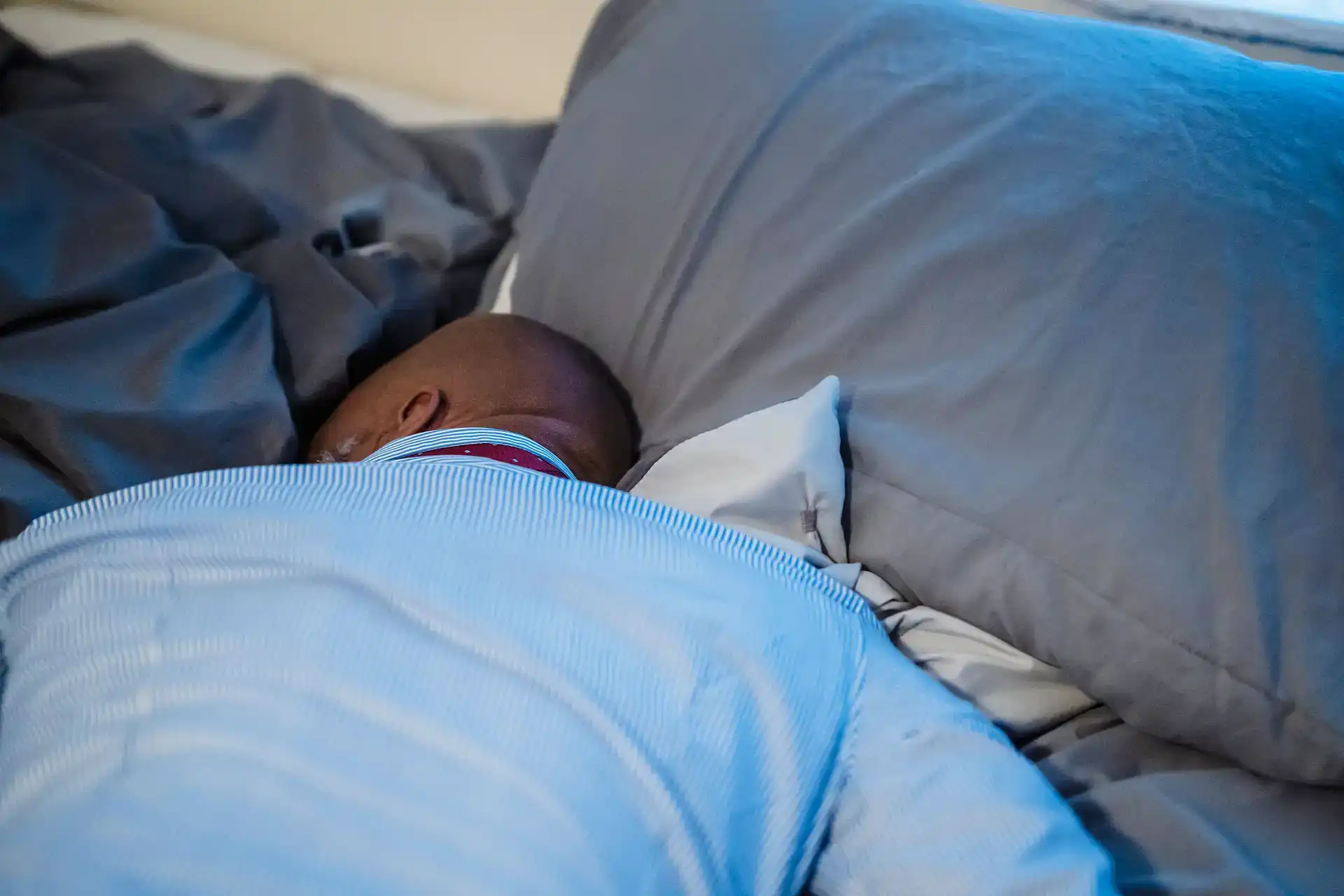
Pressing your eye directly against a firm pillow, mattress, or bent arm for consecutive hours exerts significant physical pressure on the ocular globe. This nighttime habit triggers two distinct medical conditions—chronic nocturnal intraocular pressure (IOP) spikes that accelerate glaucoma progression, and an acute vascular ischemia known as Saturday Night Retinopathy.
Does sleeping position raise intraocular pressure and worsen glaucoma?
Under normal conditions, aqueous humor fluid flows continuously through the eye's anterior chamber and drains out via the trabecular meshwork. When lying flat (supine), episcleral venous pressure naturally increases, modestly elevating IOP. However, when direct mechanical pressure is added from a firm pillow, fluid outflow is severely restricted. Clinical assessments often show that patients with asymmetric glaucoma experience more severe optic nerve fiber loss in the exact eye that faces dependent against their preferred sleeping side.
- The Prone Position Hazard: Sleeping face-down exerts maximum external contact pressure on the orbital rim and eyelid, generating sustained nighttime IOP spikes.
- The Stacked-Pillow Pitfall: Stacking multiple standard pillows under your head causes sharp neck flexion. This compresses the internal jugular veins, obstructing venous return from the eye and counterproductively increasing internal eye pressure.
What is Saturday Night Retinopathy and how does external compression cause it?
Under natural sleep cycles, the brain maintains protective micro-arousals that force you to shift positions whenever localized tissue compression occurs. However, severe alcohol intoxication, heavy sedatives, or opioid analgesics dull these natural reflexes. If an individual passes out face-down with their eye pressed tightly against an arm or furniture edge, orbital compartment pressure exceeds arterial blood pressure for several continuous hours.
Clinical Signs of Reperfusion Injury
When a patient wakes up from a prolonged compression episode, relieving the external pressure causes ischemic vessels to dilate rapidly. This triggers dramatic tissue edema, severe proptosis (eye bulging), complete ophthalmoplegic muscle paralysis, and a pale, infarcted retina featuring a classic "cherry-red spot." Note: Acute ischemic events require hospital tertiary emergency care immediately.
1. British Journal of Ophthalmology. Postural Intraocular Pressure Fluctuation and Jugular Venous Compression in Glaucoma.
2. American Academy of Ophthalmology (AAO EyeNet). Orbital Compartment Syndrome and External Sleep Compression Parameters.
3. National Institutes of Health (NIH / PMC Archive). Saturday Night Retinopathy with Ophthalmoplegia: Pathophysiology & Ischemic Profiles.
Schedule Your Routine Glaucoma Baseline Check
Assess your baseline intraocular pressure and track optic nerve health. Book a preventative eye evaluation at our Soura center today.
Book Routine Examination OnlineProfessional Medical Disclaimer: The information provided in this educational publication is intended strictly for general informational, reference, and search-optimization purposes. It does not constitute, nor should it ever substitute for, professional medical advice, clinical diagnosis, or direct treatment from a qualified healthcare provider. We do not provide acute hospital emergency care or emergency trauma treatment. Never disregard expert medical guidance or delay seeking clinical care because of something you have read on this website. If you are experiencing an acute medical emergency, localized severe ocular pain, or sudden total vision loss, please proceed immediately to a hospital tertiary emergency department.